
BASEMENT LEAK REPAIR TORONTO

    Basement Leak Repair in Toronto: Find the Real Source, Fix It Once

    Wall crack, cove joint, window well or grading — we trace where the water actually enters, then fix the right thing. Diagnosis is free and in writing.

    Quick Answer

    Basement leak repair starts with finding where the water actually enters: a foundation wall crack, the floor–wall (cove) joint, window wells, or surface grading. In Toronto homes, wall cracks are the most common source and are permanently sealed by injection in one visit; other sources need different fixes. An accurate diagnosis — free, in writing — is what prevents paying twice.

    Pricing reviewed regularly

    Key Takeaways

    • A wet basement has a small number of usual suspects — the fix only works if it matches the source.
    • Wall-crack leaks (the most common) are sealed by injection without excavation.
    • Cove-joint and window-well leaks need different repairs — injecting a wall will not stop them.
    • Free written diagnosis before any quote; transferable warranty on repairs.

    Where Is the Water Actually Coming From?

    Most homeowners meet a basement leak as a puddle — and a puddle does not tell you its source. Water travels along footings, under slabs, and behind finishes before it shows itself. Fixing the wrong entry point is the most expensive mistake in this trade, so diagnosis comes first, every time.

    Leak-Source Diagnostic Table

    If it is actively leaking now, photograph it before it dries — pictures of live water make diagnosis faster and more certain.

    What you observe Most likely source The right fix
    Water streak or drip partway up the wall Foundation wall crack Polyurethane crack injection
    Water at the floor–wall joint after storms Cove joint / hydrostatic pressure under slab Interior drainage system, not injection
    Wet corner below a basement window Window well drainage failure Well drain/cover repair, grading
    Damp patch behind finished wall, musty smell Hidden wall crack or condensation Inspection + moisture reading, then targeted fix
    Water at a pipe or service penetration Unsealed penetration Localized injection/sealing
    Broad dampness on walls, white deposits Wicking through porous or aging concrete Waterproofing approach, humidity control
    Leaks only in spring melt or major storms Any of the above, pressure-triggered Diagnosis visit while symptoms show, if possible

    The Fixes, Matched to the Source

    Wall crack injection — the permanent repair for the most common Toronto leak source. Full-depth polyurethane seal, one visit, no digging.

    Interior water management — when water arrives at the cove joint or under the slab, the durable answer manages pressure: interior drainage to a sump, not a bead of caulk at the floor line. If that is your diagnosis, we say so in writing and make sure the right crew handles it.

    Exterior repairs where they are warranted — excavation and membrane work earns its cost on block or stone foundations and failed exterior systems. We say so when that is the honest answer, and we tell you when it is not.

    Small-source fixes — window wells, penetrations, grading corrections: cheap fixes that stop expensive symptoms, and exactly the kind of thing a source-first assessment catches.

    What Is Included

    • Whole-basement leak-source inspection: walls, cove, wells, penetrations, exterior conditions where accessible
    • Moisture readings and written diagnosis — what is leaking, why, and the fix matched to each source
    • Per-item written quote; injection repairs often completed same visit
    • Transferable warranty on injection repairs
    • Quoted separately: drainage systems, restoration, mould-remediation referral

    How It Works — 5 Steps

    1. Call while it is wet

    Live symptoms speed diagnosis — photos work too.

    2. Whole-basement inspection

    We check every usual suspect, not just the obvious one.

    3. Written diagnosis + quote

    Source by source, fix by fix, no bundled mystery pricing.

    4. Repair

    Crack injections usually same visit; drainage work scheduled promptly.

    5. Verify + warranty

    Documentation for your records and future resale.

    Why the GTA Calls Us When Basements Leak

    The proof behind every diagnosis we write.

    25+ Years of Foundation Repair

    Backed by the DryShield family — a quarter-century of GTA basements kept dry.

    Transferable Lifetime Warranty

    Injection repairs warrantied for life — and the warranty moves with the house when you sell.

    $5M Liability — Fully Insured

    Full commercial coverage on every job, every crew, every home.

    Subsidy-Eligible Contractor

    Eligible contractor for City of Toronto, Peel & Halton basement-flooding subsidy programs.

    Free Written Assessments

    Inspection, honest diagnosis, and an exact per-crack quote — free, no pressure.

    Fixed Written Quotes

    Your price is confirmed in writing before any work starts — no hourly surprises.

    Toronto’s Leak Season Is a Schedule, Not a Surprise

    GTA basements leak on a calendar: March–April melt saturates frozen-ground runoff into foundations; summer convective storms (the July 2013 and August 2024 events being the famous ones) overwhelm grading and window wells; late-fall rains find the cracks that summer drought opened. City programs exist because the problem is systemic — Toronto, Peel and Halton all run basement-flooding protection subsidies for eligible work. The practical takeaway: fix known entry points in dry weather, before the queue forms.

    Injection repairs are priced per crack — see the cost page. Drainage and exterior work is quoted after diagnosis — publishing a number before knowing the source would be guessing, and we do not guess in writing. Crack-specific symptoms? See basement crack repair or foundation crack repair.

    Basement Leak Repair FAQ

    Why is my basement leaking?
    In Toronto homes the ranked usual suspects are: a foundation wall crack, the floor–wall (cove) joint under storm pressure, window-well drainage failures, and surface grading that feeds water toward the house. Each has a different fix, which is why we diagnose the source before quoting anything.
    How do I find where basement water is coming from?
    Follow the highest wet point: water partway up a wall almost always means a wall crack above or behind it; water appearing first at the floor edge points to the cove joint; a wet spot under a window points to the well. Photograph the leak while it’s active — that single habit shortens diagnosis more than anything else.
    Can a leaky basement be fixed without digging outside?
    Usually, yes. Wall cracks — the most common source — are sealed from inside by injection, and cove-joint water is managed with interior drainage. Excavation earns its cost mainly for block or stone foundations and failed exterior membranes; an honest diagnosis tells you which side of that line you’re on.
    Is a small leak worth fixing right away?
    Yes — a small leak is a big leak that hasn’t met a big storm yet. The entry path is already open; every event enlarges it and soaks materials that grow mould within days. Sealing a known crack costs a fraction of a flooded finished basement — and dry-weather scheduling beats post-storm queues.
    Will a dehumidifier fix my damp basement?
    It manages a symptom. If moisture is entering through a crack, joint, or well, a dehumidifier hides evidence while the water keeps working — rusting, staining, and feeding mould behind finishes. Run one for comfort, by all means, but treat persistent dampness as a diagnosis question, not an appliance question.
    What about mould from a long-term leak?
    If water has been reaching drywall, wood, or carpet for months, assume some growth and have it looked at once the source is fixed. We stop the water and flag any growth we see during access; remediation itself is a separate specialty. Order matters: fix the leak first, or remediation just recurs.
    Do city subsidies apply to basement leak repair?
    Toronto, Peel and Halton flood-protection subsidy programs cover specific eligible items — the lists and amounts change, and not all leak repairs qualify. We review current program fit at the assessment and tell you plainly whether your work is in scope.
    How fast can you stop an active leak?
    Wall-crack leaks can be injected while actively leaking — polyurethane cures in water — so the answer is often “the day we’re standing in front of it.” Assessment bookings typically run within days across the GTA, longer after major storms.

    Leaking now? Photograph it and call — diagnosis is free.

    Source-first inspection · written per-item quote · injection often same visit · transferable warranty

    Why Basement Leaks Happen: Common Causes Explained

    Basement leaks often happen due to water pressure building up around your home. It is called hydrostatic pressure. When the soil gets too wet, water pushes against basement walls and finds weak spots to enter. Cracks in the foundation wall or basement floor are common entry points. Poor drainage, clogged gutters, and broken sump pumps can also lead to a wet basement. Leaky basement windows and missing moisture barriers make it worse. Sometimes, even small cracks in masonry walls or near dryer vents can allow water to enter. Regular inspections and good drainage systems help prevent these leaks from turning into severe damage.
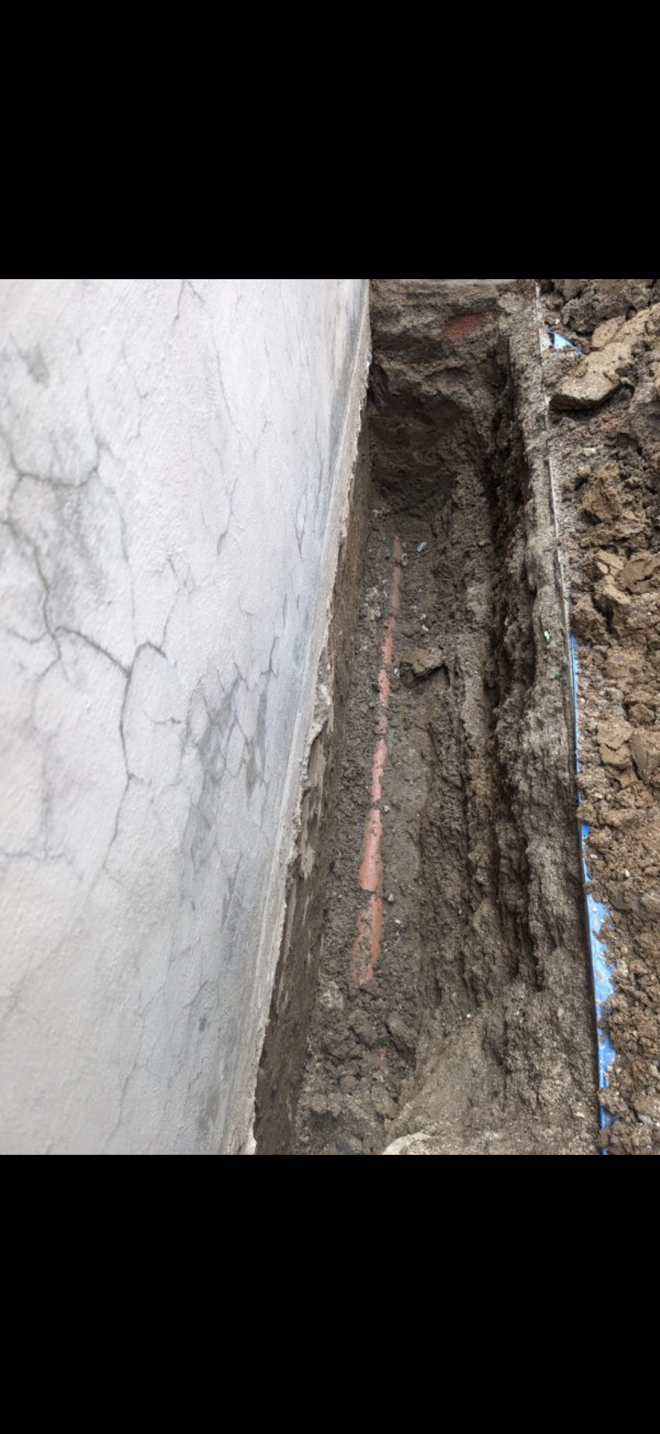
    BASEMENT LEAK REPAIR  Toronto

    Signs You Have a Leaky Basement

    Not sure if your basement is leaking? These common signs could mean water is getting in:

    • Musty or damp smell – If your basement has a strong, earthy smell, it may be caused by hidden moisture or mold growing in dark areas.
    • Water stains on walls or floors – Brown or yellow stains are a clear sign that water has entered your basement at some point.
    • Peeling paint or bubbling wall surfaces – Paint that lifts or bubbles can be a result of water trapped behind basement walls.
    • Visible mold or mildew – Mold often grows near basement windows, on wooden surfaces, or where humidity stays high.
    • White, powdery stains (efflorescence) – These chalky deposits show that water has passed through the concrete or masonry walls.
    • High indoor humidity or condensation – Excess moisture in the air may cause foggy windows and make your basement feel damp or cold.

    Why Choose Us for Your Leaky Basement Repair Toronto?

    When it comes to basement leak repair, you need a waterproofing company that knows how to fix basement leaking problems right the first time. That’s where we come in. We have helped countless homeowners address issues such as leaking basements, wet walls, and cracked floors. Our team is trained to quickly locate the source of water leaks, whether it’s a basement foundation crack, a poorly functioning drainage system, or a broken sump pump.
    We use trusted methods like interior waterproofing, exterior waterproofing, and sealing cracks with hydraulic cement. For long-term results, we install drainage systems and apply moisture barriers that keep your basement dry even during heavy rains.

    Our work includes repairing cracks in concrete, fixing window wells, and sealing around leaky dryer vents. We even help with ventilation and lowering indoor humidity. Whether you have small cracks or a whole basement flooding issue, we offer the best solution based on your needs.

    We provide clear basement waterproofing estimates and honest advice. Our crew is friendly, on time, and highly professional. We respect your house and make sure the job is done right.
    If you’re tired of dealing with basement leaks, contact us. We’ll help your basement stay dry and safe for your family.
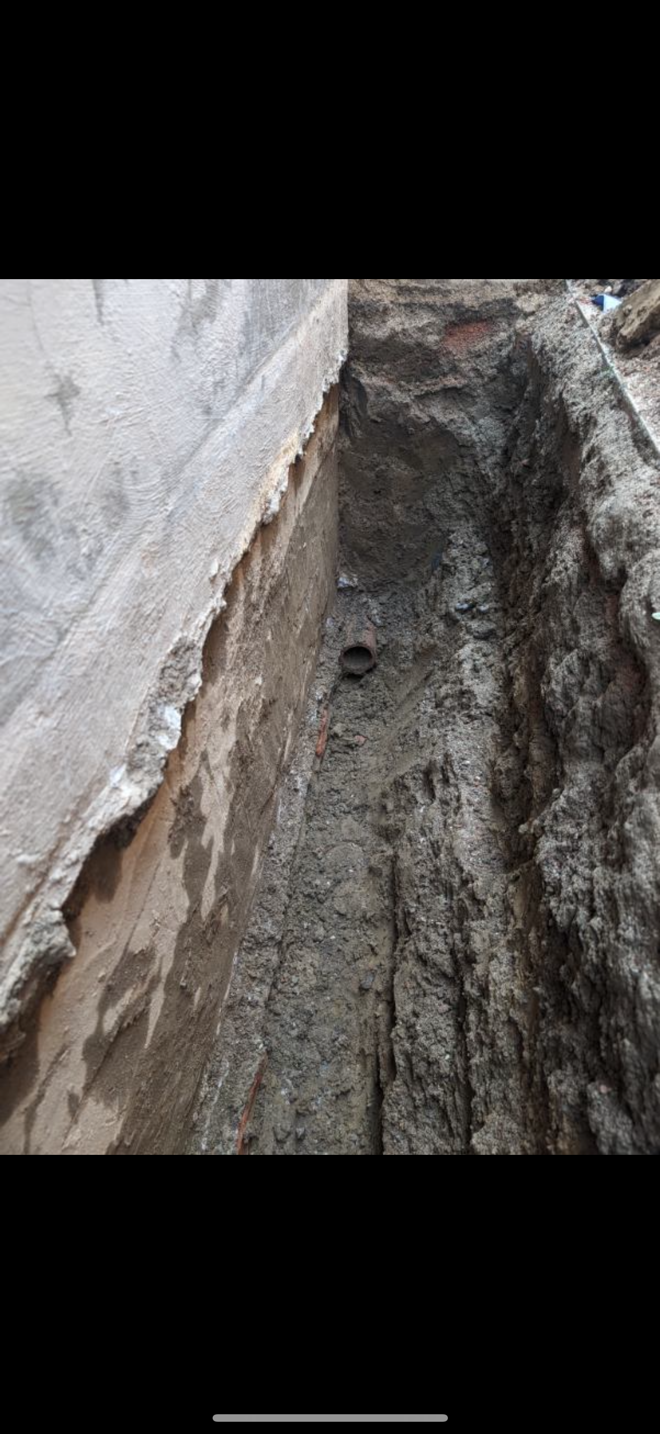

    BASEMENT LEAK REPAIR
    Frequently Asked Questions on Basement Leak Repair

    What causes a leaky basement?

    In our experience, the most common causes include foundation cracks, poor drainage around the home, broken sump pumps, and pressure from water-saturated soil, also known as hydrostatic pressure.

    Can I fix a basement leak myself?

    While some homeowners attempt to seal small cracks with hydraulic cement, we have found that a complete and lasting repair typically requires professional tools, materials, and expertise.

    What is basement waterproofing?

    Basement waterproofing includes sealing cracks, installing drainage systems or sump pits, and using interior or exterior waterproofing to stop water from entering.

    How much does basement leak repair cost?

    Every home is different, so prices vary. We offer free basement waterproofing estimates to give you clear options.

    Can foundation cracks lead to water leaks in the basement?

    Yes, foundation cracks are a common cause of basement leaks. Even small cracks can allow water to seep in, especially after heavy rain or snowmelt. Sealing these cracks promptly is important to prevent water damage.

    Will fixing my leaky basement increase home value?

    Absolutely. A dry, safe basement adds usable space, helps avoid moisture damage, and protects your home’s long-term value.

    FOR A FREE ON-SITE ESTIMATE, CONTACT US TODAY

      FOR A FREE ON-SITE ESTIMATE, CONTACT US TODAY